Satellite Safety in Telecoms: Key Risks and How to Manage Them
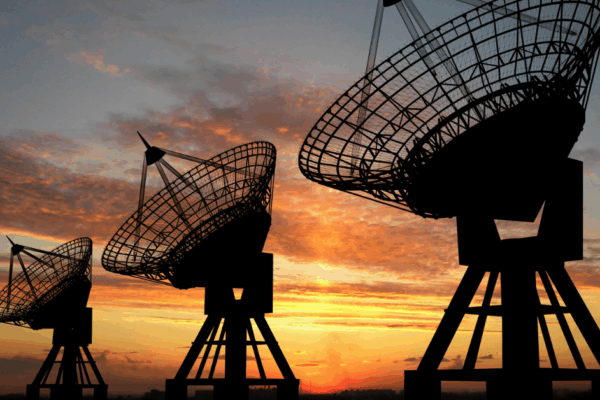
As satellite technology becomes more integral to modern telecoms infrastructure, health and safety must evolve to meet new challenges. From low Earth orbit systems enabling high-speed connectivity to large dish installations on rooftops and towers, satellite operations are reshaping how we build and maintain networks.
But with innovation comes risk. For telecoms professionals and contractors, understanding the unique safety requirements around satellite systems is essential. This blog explores the key risks associated with satellite infrastructure and how to manage them effectively through CDM principles, competent planning, and robust safety culture.
Why Satellite Safety Is Now a Priority
In recent years, the telecoms sector has seen a rapid expansion in satellite-based services. From rural broadband coverage to smart city solutions and IoT networks, satellites are no longer just a niche technology – they are central to how we communicate.
This shift means more construction, more maintenance, and more health and safety risks across various project environments. As the demand for satellite connectivity grows, so too does the need for telecom contractors and project leads to develop clear, proactive safety protocols.
Common Satellite Safety Risks in Telecom Projects
1. Working at Height
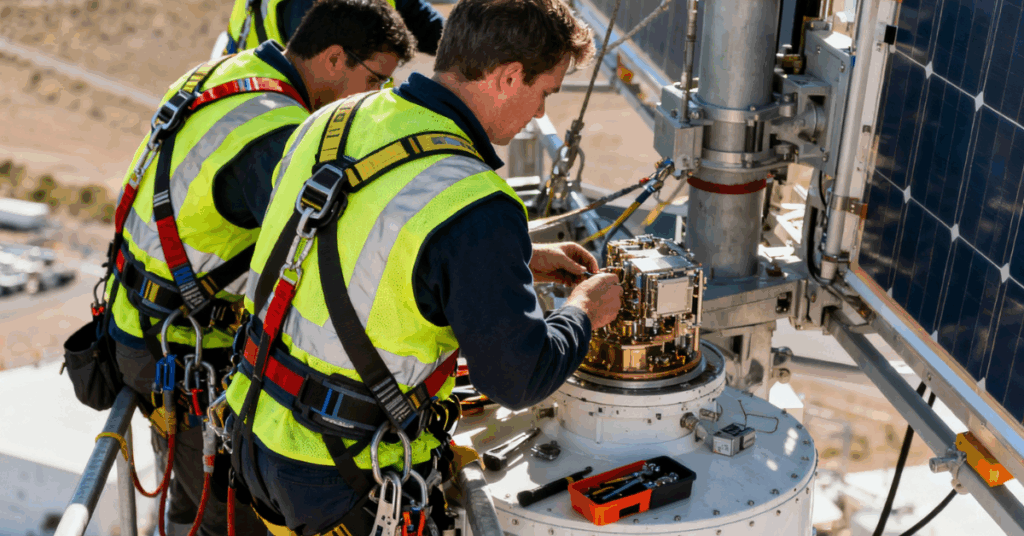
Installing satellite dishes or receivers often involves working on rooftops, towers, or poles. Falls from height remain one of the leading causes of injury and fatality in telecoms construction. Adequate fall protection systems, training, and access planning are essential.
According to the Health and Safety Executive (HSE), falls from height account for 25% of all workplace fatalities in the UK. These risks can be significantly reduced through proper risk assessments and implementation of edge protection or harness systems.
2. Manual Handling and Equipment Installation
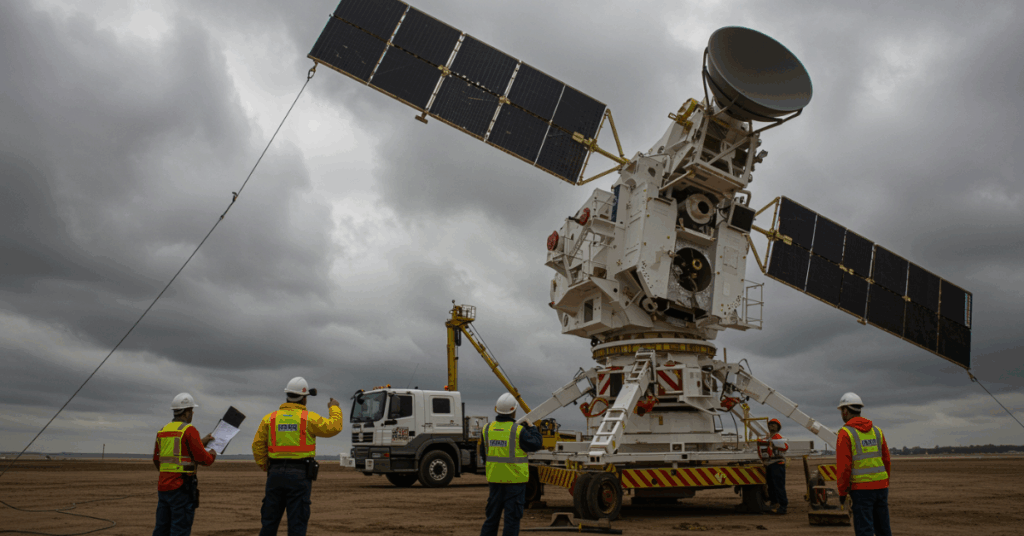
Satellite components can be bulky and heavy. Poor manual handling practices may result in musculoskeletal injuries. Projects should include lifting plans, mechanical aids where possible, and staff trained in correct handling techniques.
3. RF and Electromagnetic Exposure
With satellite receivers and transmitters operating at high frequencies, there is potential exposure to radiofrequency (RF) radiation. This risk is heightened when workers are unaware of active signals during installation or maintenance. Assessing exposure limits and establishing exclusion zones are essential components of safe working practices.
4. Structural Safety and Load Bearing
Mounting satellite dishes on structures not designed for additional loads can lead to structural instability. A competent engineer should always assess fixings, load distribution, and wind resistance – especially for larger installations in exposed environments.
5. Electrical and Fire Risk
Satellites often require integrated power systems, with cables routed through buildings or equipment cabinets. Faulty wiring, improper earthing, or overloading can all result in electrical fires or shock hazards. Safety must be baked into design and install stages.
How to Manage These Risks Effectively
Apply CDM Principles
The Construction (Design and Management) Regulations 2015 (CDM) apply to satellite installation projects where construction, design, or maintenance is involved. Roles such as the Principal Designer and Principal Contractor must be appointed where appropriate, and clear health and safety planning must begin from day one.
Whether you are a client, contractor, or designer, working with a CDM consultant ensures compliance with regulations and improves overall project safety. A CDM advisor can assist with pre-construction information, risk assessments, and ensuring all duty holders understand their legal responsibilities.
All operatives involved in satellite work should be appropriately trained. This includes working at height, electrical awareness, and manual handling. Specialist CDM training can also help project leads and clients navigate safety compliance from design through to installation.
Putting Safety First in Satellite Telecom Projects
As satellite infrastructure continues to transform telecom networks, the associated risks must be proactively managed. From physical hazards to compliance challenges, safety is a shared responsibility between clients, designers, contractors, and advisors.
At Pro Safety Management, we have extensive experience supporting satellite and telecom infrastructure projects, offering expert CDM consultancy, training, and site safety services. We work across the UK and Europe, helping ensure that innovation never comes at the cost of safety.
Need help managing safety on your satellite project?
Contact us today to discover how our CDM and health & safety services can support your telecoms infrastructure work.
Do you want to ensure Satellite Safety Compliance?
With over 50 years of expertise, we help strengthen corporate governance within your business, ensuring robust health and safety management, regulatory compliance, and a culture of accountability across every level of operation.